Article
Introduction to Web Development
What is Web Development?
Web development is the process of building websites and web applications that run on the internet. It includes everything from creating simple static pages to complex platforms like e-commerce stores and social networks. In today’s digital age, businesses rely heavily on websites, making web development one of the most in-demand skills worldwide.
When you enroll in a Web development course beginner to pro freelancer, you’re not just learning how to code—you’re learning how to create real-world solutions. Web developers are the architects behind the digital experiences we use daily, from online shopping to booking appointments.
Why Choose Web Development as a Career?
Web development offers flexibility, creativity, and high earning potential. Whether you want a full-time job or prefer working independently, this field gives you options. Many beginners start with zero experience and eventually become successful freelancers earning consistent income.
- High demand globally
- Remote work opportunities
- Low startup cost
- Continuous learning and growth
- Ability to freelance or build your own business
Understanding the Basics of Web Development
Frontend vs Backend Development
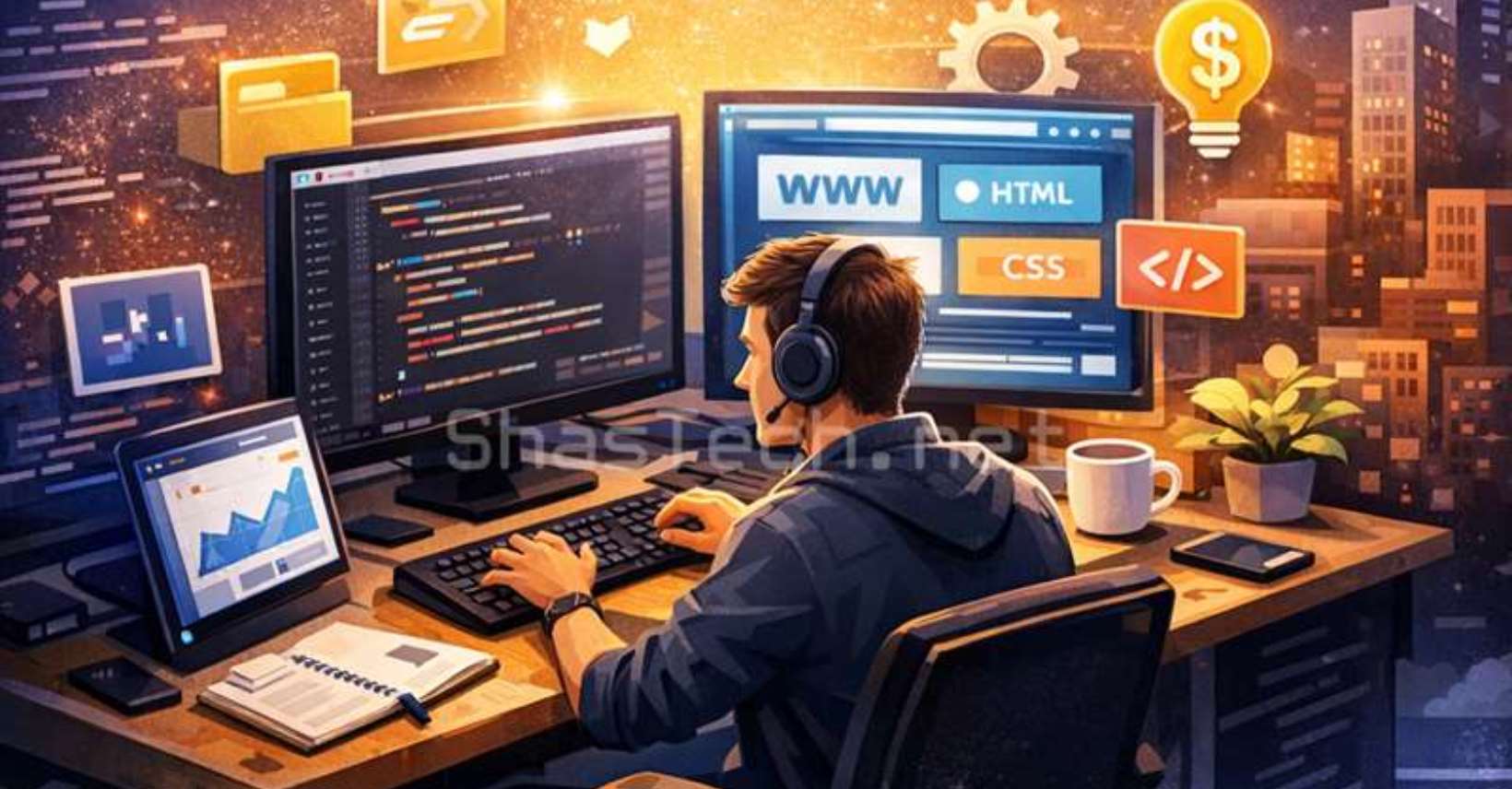
Frontend development focuses on what users see—design, layout, and interaction. It uses technologies like HTML, CSS, and JavaScript.
Backend development deals with servers, databases, and application logic. It ensures everything runs smoothly behind the scenes.
Full Stack Development Explained
A full stack developer works on both frontend and backend. This makes you more valuable as a freelancer because you can handle complete projects independently.
Essential Skills You Need to Start
HTML, CSS, and JavaScript Fundamentals
These are the building blocks of web development:
- HTML – Structure of a website
- CSS – Styling and layout
- JavaScript – Interactivity and functionality
Mastering these is the first step in any Web development course beginner to pro freelancer journey.
Problem-Solving and Logical Thinking
Coding is not just about syntax—it’s about solving problems. You’ll need to think critically and break down complex tasks into smaller steps.
Tools and Technologies for Beginners
Code Editors and Browsers
Popular tools include:
- VS Code
- Sublime Text
- Chrome DevTools
These tools help you write, test, and debug your code efficiently.
Version Control Systems
Git is essential for tracking changes and collaborating. Platforms like GitHub allow you to showcase your work to potential clients.
Step-by-Step Learning Path
Beginner Stage
Start with:
- HTML basics
- CSS styling
- Simple JavaScript
Build small projects like personal websites.
Intermediate Stage
Move to:
- Responsive design
- APIs
- JavaScript frameworks (React, Vue)
Advanced Stage
Learn:
- Backend development (Node.js, databases)
- Authentication systems
- Deployment
Building Real Projects
Importance of Portfolio
Your portfolio is your proof of skill. Clients want to see what you can do, not just what you claim.
Project Ideas for Beginners
- Personal portfolio website
- Blog platform
- To-do list app
- Landing pages
Freelancing Basics
What is Freelancing?
Freelancing means working independently and offering your services to clients worldwide. You’re your own boss, choosing projects and setting your schedule.
Benefits of Freelancing
- Flexible hours
- Unlimited earning potential
- Work from anywhere
- Diverse projects
How to Start Freelancing as a Web Developer
Creating Profiles on Platforms
Start on platforms like:
- Upwork
- Fiverr
- Freelancer
Make sure your profile is professional and highlights your skills.
Finding Your First Client
- Start with small projects
- Offer competitive pricing
- Deliver high-quality work
Your first client is the hardest—after that, it gets easier.
Pricing Your Services
Hourly vs Project-Based Pricing
- Hourly: Good for ongoing work
- Project-based: Better for fixed tasks
Negotiation Tips
- Know your value
- Don’t underprice
- Be confident
Marketing Yourself as a Freelancer
Personal Branding
Create a strong online presence. Your website should reflect your skills and professionalism.
Social Media and Networking
Use platforms like LinkedIn and Twitter to connect with potential clients.
Common Mistakes to Avoid
Underpricing
Many beginners charge too little. This can hurt your growth and confidence.
Poor Communication
Clear communication builds trust and leads to repeat clients.
Scaling Your Freelance Career
Building a Team
As you grow, you can outsource work and handle bigger projects.
Passive Income Opportunities
- Sell templates
- Create online courses
- Build SaaS products
Best Resources for Learning
Online Courses
Platforms like Coursera, Udemy, and freeCodeCamp offer excellent courses.
Explore more here: freeCodeCamp
Communities and Forums
- Stack Overflow
- Discord groups
FAQs
1. How long does it take to become a freelance web developer?
It typically takes 6–12 months with consistent practice.
2. Do I need a degree for web development?
No, skills matter more than degrees in this field.
3. Can I learn web development for free?
Yes, many free resources are available online.
4. How much can a freelance web developer earn?
Beginners can earn $500–$2000/month, while experienced freelancers earn much more.
5. What is the best programming language to start with?
JavaScript is highly recommended for beginners.
6. Is freelancing stable as a career?
Yes, if you build consistent clients and diversify income.
Conclusion
Starting your journey with a Web development course beginner to pro freelancer path can completely change your career and lifestyle. With the right skills, tools, and mindset, you can go from knowing nothing about coding to becoming a successful freelancer working with clients worldwide.
The key is consistency, practice, and continuous learning. Don’t wait for the perfect moment—start today, build projects, and take small steps toward your goal. Over time, those small steps will turn into massive success.